Recycled Polyethylene Granules
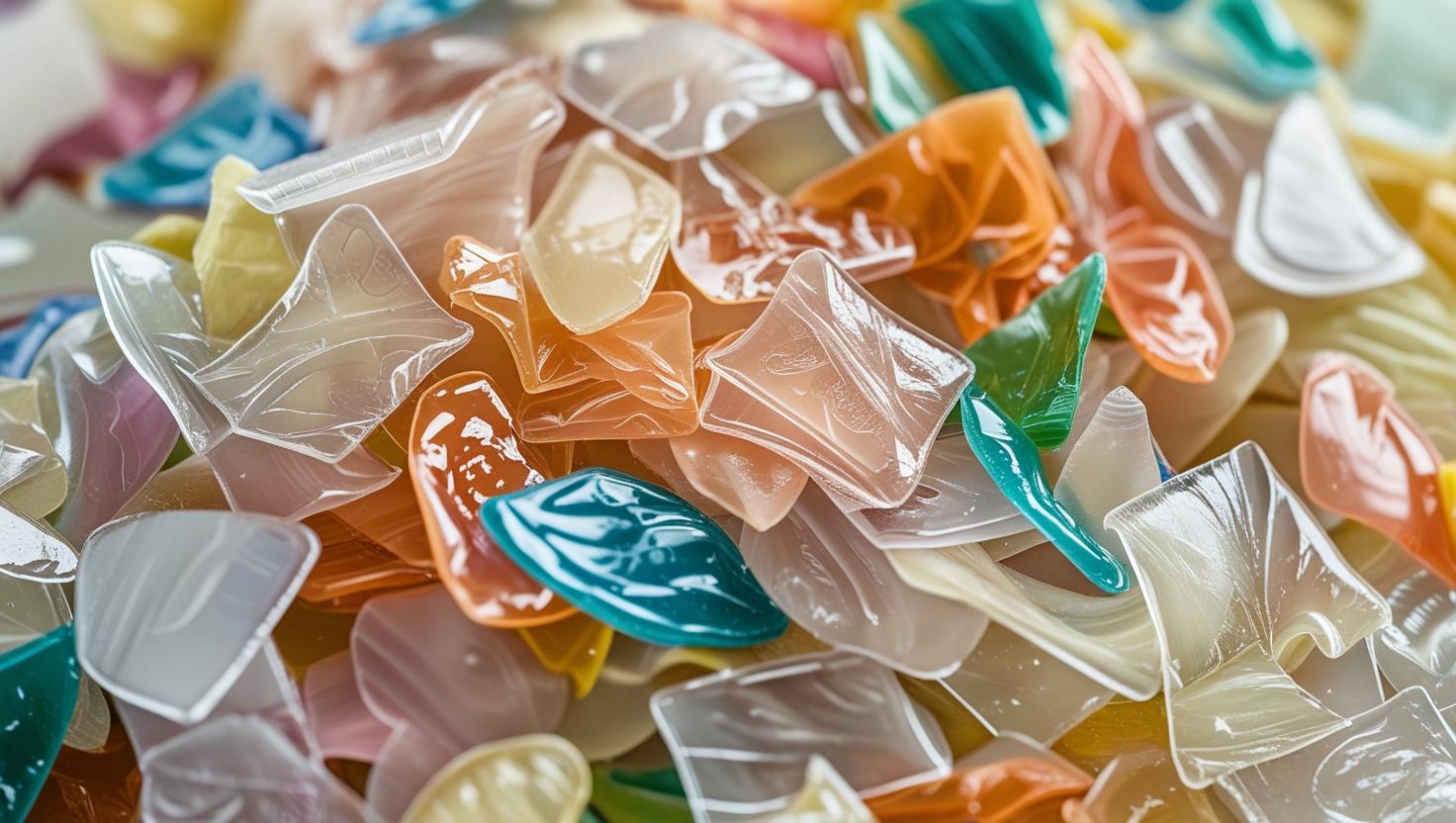
Recycled polyethylene granules are produced through the recycling process of low-density polyethylene (LDPE), high-density polyethylene (HDPE), or medium-density polyethylene (MDPE) waste. These granules serve as a cost-effective and eco-friendly secondary raw material in the manufacturing of a wide range of plastic and polymer-based products. Due to their environmental, economic, and functional advantages, they play a significant role in the plastics industry.
The production of high-quality recycled granules requires careful processes including sorting, washing, melting, and extrusion. Depending on the feedstock and processing method, the resulting granules exhibit various physical and mechanical properties tailored to specific industrial applications.
Types of Recycled Polyethylene Granules
| Granule Type |
Features |
Applications |
| Recycled HDPE Granules |
Rigid, impact- and chemical-resistant |
Pipes, crates, drums, industrial parts |
| Recycled LDPE Granules |
Soft, flexible, lower transparency |
Bags, films, agricultural coverings |
| Recycled MDPE Granules |
Balanced rigidity and flexibility |
Molded components, domestic gas pipes |
Technical Specifications (depending on feedstock and grade)
| Property |
Typical Range |
| Density |
0.91 – 0.96 g/cm³ |
| Melt Flow Index (MFI) |
0.5 – 25 g/10min |
| Color |
Black, gray, green, beige, translucent |
| Granule Size |
2 – 5 mm |
| Moisture Content |
Less than 0.5% (for industrial grade) |
Industrial Applications
- Production of shopping bags and packaging films
- Agricultural and greenhouse films
- Non-pressure sewage and water pipes
- Injection-molded plastic parts
- Crates, pallets, containers, chairs, and industrial products
- Cable sheathing and electrical insulation products
- Household and urban plastic items such as buckets, flower pots, and bins
Technical and Economic Advantages
- Cost savings of 40–60% compared to virgin polymers
- Reduced consumption of petrochemical resources and lower plastic waste
- Customizable in terms of color, MFI, and mechanical properties
- Compatible with extrusion, injection molding, and blow molding processes
- Can be blended with virgin polymers to enhance strength and durability
Quality Control Requirements
To ensure the quality of recycled polyethylene granules, the following steps are essential:
- Accurate sorting of waste (LDPE, HDPE, PP, etc.)
- Thorough washing to remove organic and inorganic contaminants
- Moisture control and melt filtration during extrusion
- Physical testing (density, MFI, tensile strength, impact resistance)
Environmental Benefits
- Significant reduction in greenhouse gas emissions compared to virgin materials
- Prevents landfilling or incineration of plastic waste
- Supports the circular economy and promotes sustainable development
Recycled polyethylene granules offer a smart and sustainable solution for the polymer industry. In addition to their financial benefits, they contribute to environmental conservation and the promotion of circular production models. Their use, especially in non-critical applications, helps reduce dependency on virgin resources and aligns with the goals of green manufacturing.