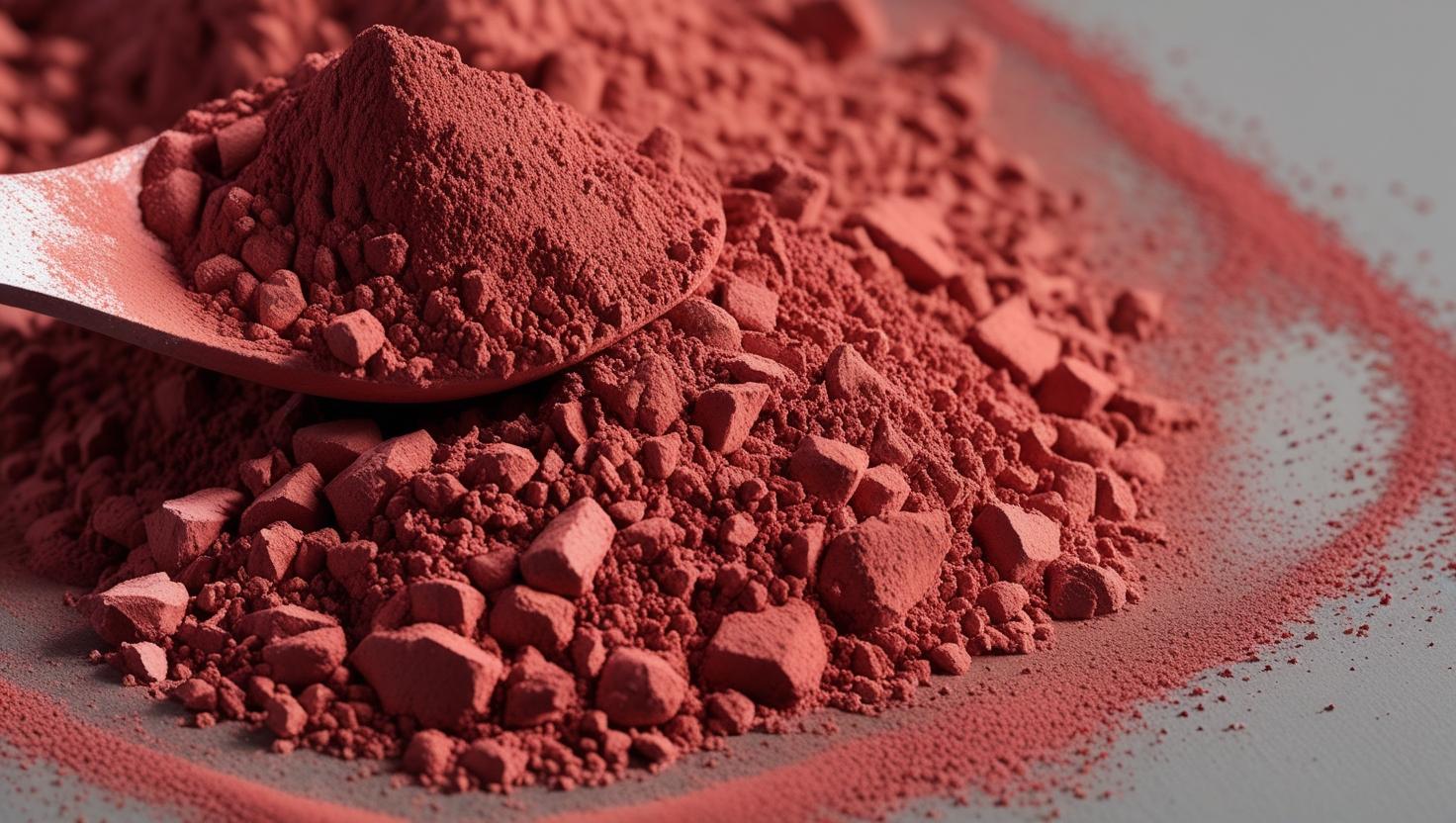
Zero-Valent Copper Nanoparticles (Cu⁰ Nanoparticles)
Zero-valent copper nanoparticles (Cu⁰ NPs), which consist of metallic copper in its zero oxidation state, are a class of metallic nanomaterials with exceptional physical, chemical, and electrical properties. Thanks to their unique capabilities, they find extensive applications across various industries including electronics, catalysis, environmental remediation, and medicine. Their ultra-small size (1–100 nm) significantly increases the surface-to-volume ratio, greatly enhancing their surface reactivity and functional properties.
Scientific and Technical Features of Cu⁰ Nanoparticles
| Feature |
Description |
| Metallic copper with FCC crystalline structure at the nanoscale |
Metallic and Crystalline Structure |
| Excellent electrical and thermal conductivity, comparable to silver in some applications |
High Conductivity |
| Strong catalytic activity in redox reactions, organic synthesis, and pollutant degradation |
Catalytic Activity |
| Significant antibacterial and antiviral effects, especially in medical and sanitizing uses |
Antimicrobial Properties |
| Dispersible and stabilizable via polymer or surfactant coatings to prevent oxidation |
Dispersibility and Stability |
Industrial and Technological Applications
1. Catalysis and Chemical Synthesis
Cu⁰ nanoparticles serve as highly effective catalysts in various chemical reactions such as hydrogenation, coupling reactions, and oxidations. They improve reaction efficiency and lower energy consumption.
2. Electronics and Nanoelectronics
Due to their excellent conductivity and lower cost compared to silver and gold, Cu NPs are used in conductive inks, printed circuit boards, biosensors, and flexible electronic devices.
3. Environmental Remediation and Water Treatment
They are employed in advanced oxidation processes for the removal of pollutants, heavy metals, and toxic organic compounds from water through catalytic and adsorption mechanisms.
4. Medical and Sanitary Products
Cu⁰ nanoparticles are incorporated into antimicrobial coatings, medical devices, wound dressings, and disinfectant products due to their strong bactericidal and virucidal properties with controlled toxicity.
5. Nanocomposites and Advanced Materials
The incorporation of Cu NPs into polymers and ceramics enhances mechanical strength, conductivity, and corrosion resistance, with applications in automotive, aerospace, and packaging industries.
Commercial and Industrial Advantages
- Cost-effective and more accessible than gold or silver nanoparticles
- High catalytic and electrical performance, making them viable substitutes in many industrial processes
- Compatible with various synthesis and surface-coating methods for enhanced stability and functionality
- Rapidly growing global market with strong demand in energy, healthcare, electronics, and environmental sectors
- Customizable particle size, shape, and surface coating for specific industrial needs
Commercially Available Forms
- Controlled-size nanopowder (typically 5–100 nm)
- Stable suspensions in aqueous or organic solvents
- Coated nanoparticles (polymeric, biocompatible, or silica-based) for improved stability across environments
- Copper-based nanocomposites combined with other metals or oxides