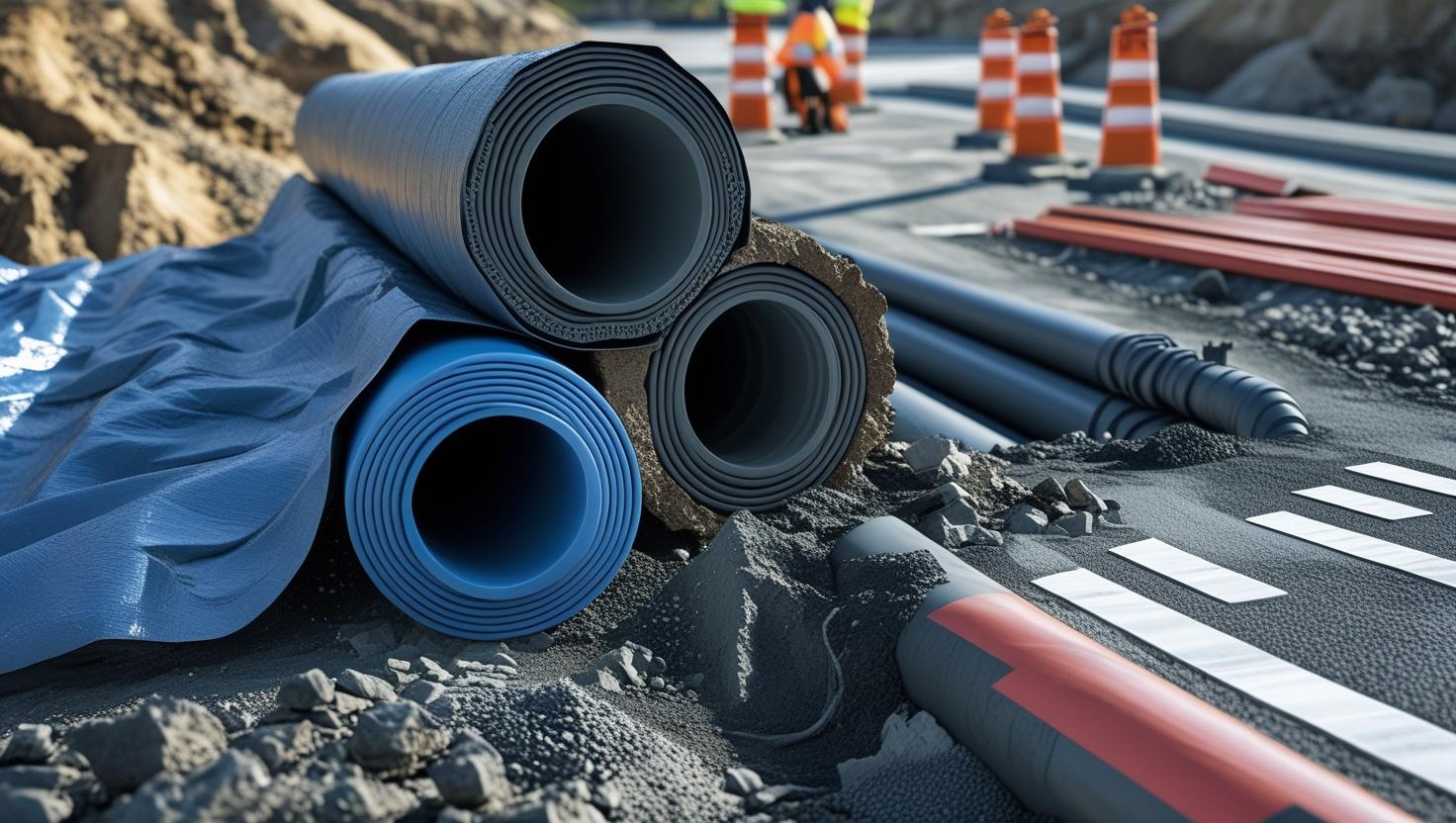
Polyethylene geomembrane liners are among the most important geosynthetic engineering technologies, widely used across various industries such as civil engineering, agriculture, environmental protection, mining, and water and wastewater transmission projects. These liners, with their unique features, play a key role in controlling seepage, preventing contamination, and enhancing the durability of structures.
Technical and Scientific Features of Polyethylene Geomembrane Liners
- Structure and Raw Materials: Geomembranes are typically manufactured from high-density polyethylene (HDPE) or low-density polyethylene (LDPE), each offering specific properties such as chemical resistance, flexibility, and thermal durability.
- Extremely High Seepage Resistance: These liners effectively prevent the penetration of water, chemicals, and pollutants, making them ideal for water reservoirs, earthen dams, and industrial ponds.
- High Durability and Stability: Their high resistance to UV radiation, temperature fluctuations, mechanical pressure, and abrasion significantly extends their service life.
- Adequate Flexibility: Enables installation in diverse environmental conditions and adapts to subgrade movements.
- Chemical Resistance: Excellent resistance to various corrosive, petroleum-based, and mineral chemicals.
- Easy Welding and Installation: Advanced thermal welding and strong adhesion technologies ensure easy installation and reliable sealing.
Industrial and Commercial Applications of Polyethylene Geomembrane Liners
- Liners for water and wastewater storage tanks
- Liners for dams and irrigation canals
- Prevention of pollutant infiltration in environmental and treatment projects
- Protection of mining and industrial bases against hazardous leaks
- Use in landfills and waste management facilities
Comparison Table of Polyethylene Geomembrane Liners vs. Traditional and Modern Liners
| Features |
Polyethylene Geomembrane (PE Geomembrane) |
Concrete Liner |
Bituminous Liner |
PVC Liner |
| Seepage Resistance |
Very High |
Moderate |
Good |
Good |
| Durability and Service Life |
Over 30 years |
10-20 years |
5-10 years |
15-25 years |
| Chemical Resistance |
Very High |
Moderate |
Low |
Moderate |
| Flexibility |
High |
Low |
Moderate |
High |
| UV Resistance |
Very High |
Low |
Low |
Moderate |
| Ease of Installation and Repair |
Easy |
Difficult |
Easy |
Moderate |
| Mechanical Resistance |
High |
Very High |
Moderate |
Moderate |
| Overall Cost |
Medium |
High |
Low |
Medium |
Key Advantages of Polyethylene Geomembrane Liners
- Extremely High Seepage Resistance: Effectively prevents the penetration of water, chemicals, and pollutants
- Long Durability and Lifespan: Excellent resistance to UV radiation, abrasion, and various environmental conditions
- Adequate Flexibility: Enables easy installation and adapts to subgrade movements without cracking
- Outstanding Chemical Resistance: Tolerates a wide range of corrosive, petroleum-based, and mineral substances
- Ease of Installation and Repair: Advanced welding and bonding technologies ensure reliable sealing
- Cost-effective and Efficient: Reduces maintenance costs and extends the service life of structures
Polyethylene geomembrane liners, with their outstanding resistance, durability, flexibility, and ease of installation, are among the best options for industrial and environmental projects, offering significant technical and economic advantages.