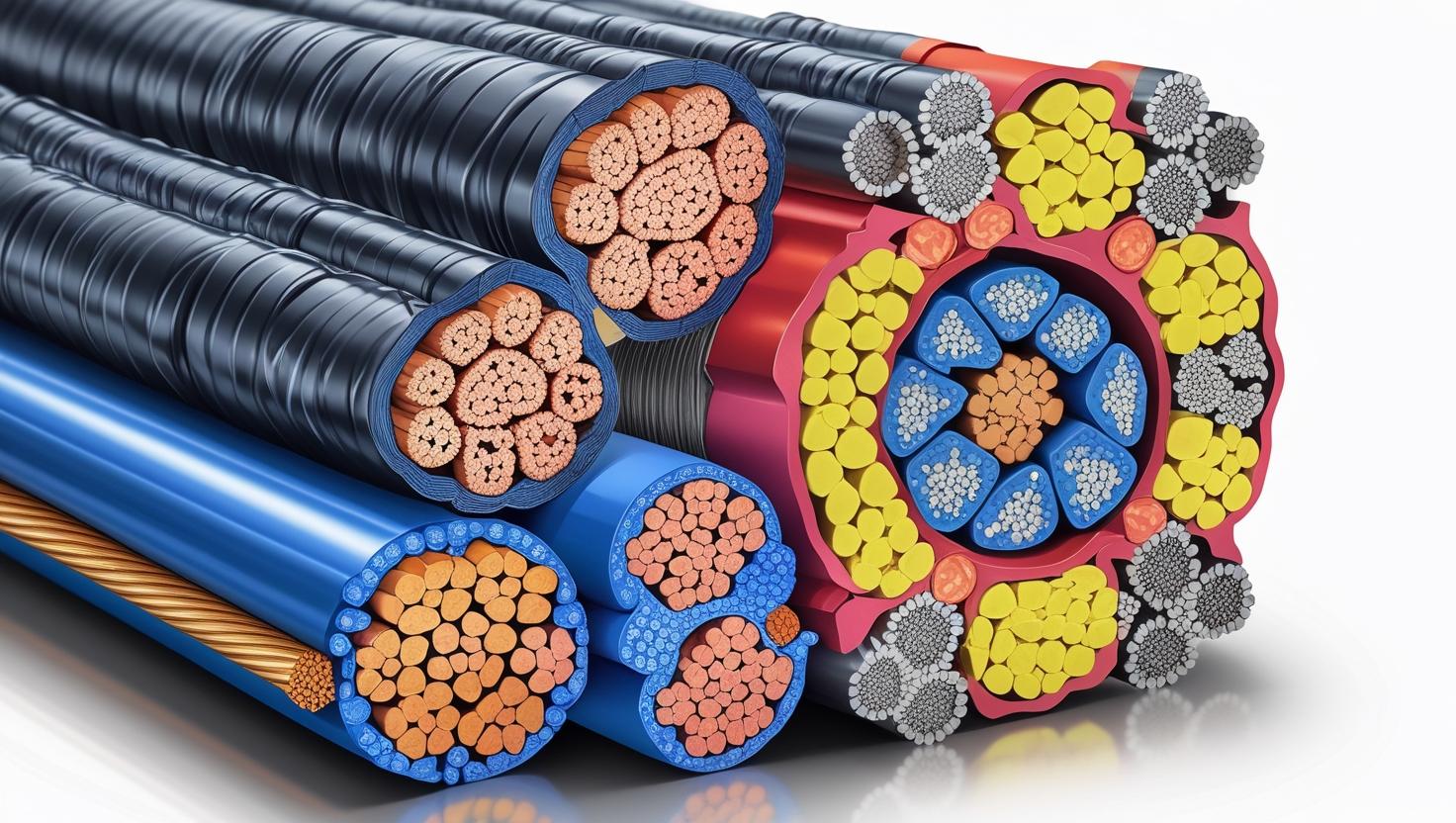
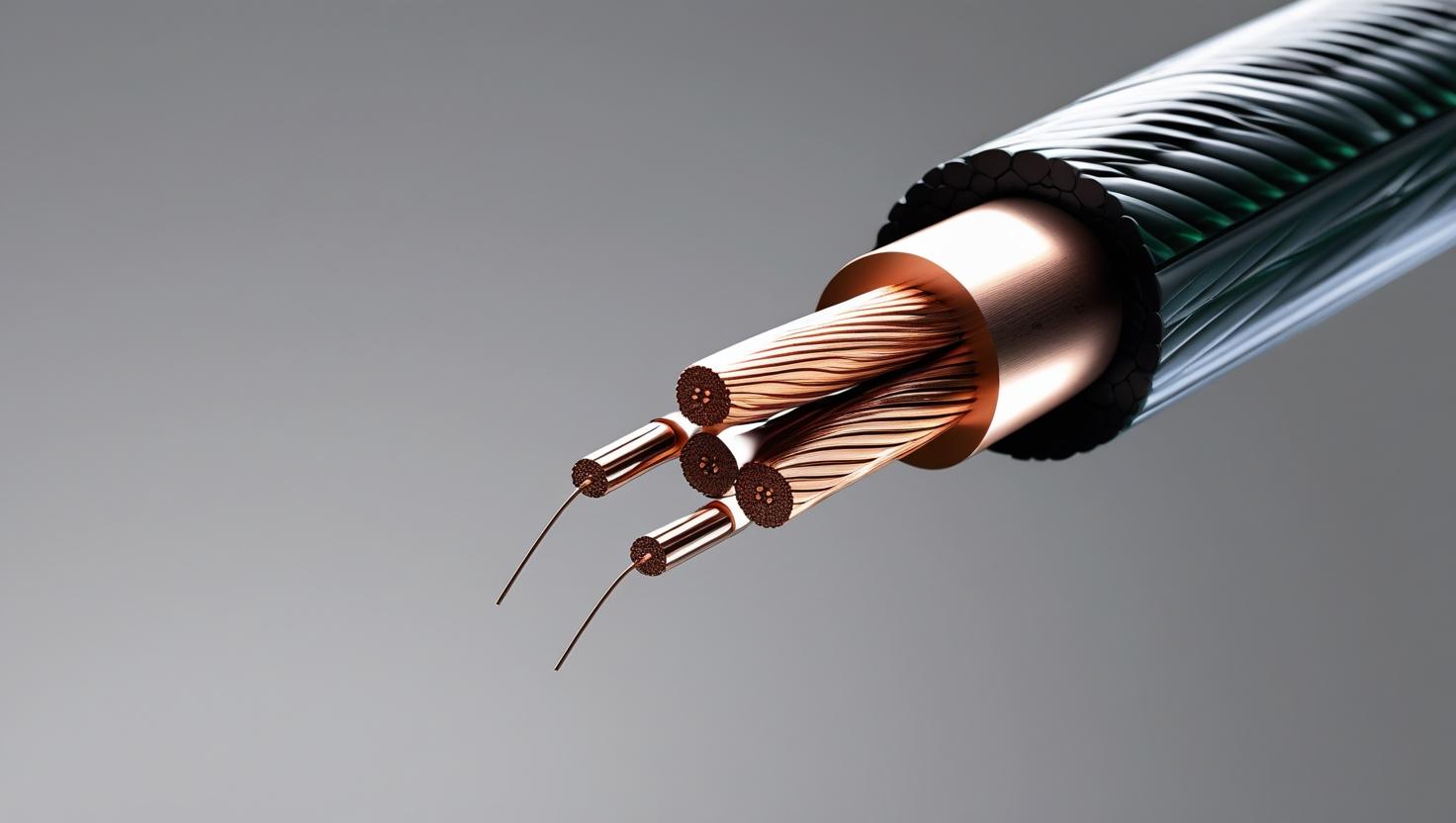
HDPE (High-Density Polyethylene) coatings are recognized as one of the most advanced and widely used protective coverings in the cable manufacturing industry. This coating, with its unique combination of mechanical, chemical, and electrical properties, ensures effective and long-lasting protection of cables against environmental conditions, mechanical stresses, and corrosive agents.
Technical and Scientific Features of HDPE Cable Coatings
Polyethylene coatings, especially the high-density type (HDPE), possess outstanding technical and scientific properties due to their unique molecular structure, making them the preferred choice for cable protection across various industries:
- Molecular Structure and High Density
HDPE features dense, semi-crystalline molecular chains resulting in a high density (between 0.94 and 0.97 g/cm³). This dense structure enhances mechanical strength and abrasion resistance of the coating.
- High Mechanical Strength
HDPE coatings can withstand high tensile stresses (typically in the range of 20 to 40 MPa) and demonstrate good resistance to impact and repeated bending. This makes the coating resistant to mechanical stresses encountered during installation, excavation, and operation.
- Wide Chemical Resistance
HDPE is highly resistant to many corrosive chemicals such as acids, bases, solvents, and oils. This property prevents penetration of harmful substances and protects the cable in industrial and soil environments.
- Moisture and Water Resistance
Due to its non-polar and dense structure, polyethylene coating is waterproof, preventing moisture ingress into the cable. This helps avoid corrosion and oxidation of internal conductors, thereby extending the cable’s service life.
- Thermal Stability and Resistance to Temperature Variations
HDPE can operate effectively within the typical cable temperature range (approximately -40 to +80 °C) and can withstand higher temperatures up to around 120 °C without significant performance loss.
- UV Resistance
With the addition of UV stabilizers, HDPE coatings can endure prolonged exposure to direct sunlight without degradation caused by ultraviolet radiation.
- Excellent Electrical Insulation
As a thermoplastic non-conductive material, polyethylene has very high electrical resistance, preventing current leakage and enhancing the safety of electrical systems.
- Customizable Thickness and Color Options
HDPE coatings can be produced in various thicknesses based on project requirements, and different color options are available for easy identification and differentiation of cables in complex networks.
Comparison of HDPE Coatings with Other Common Coatings
| Properties |
HDPE |
Polyvinyl Chloride (PVC) |
Polypropylene (PP) |
Silicone Rubber |
| Mechanical Resistance |
Very High |
Moderate |
High |
Low |
| Chemical Resistance |
Excellent |
Good |
Good |
Excellent |
| UV Resistance |
High (with additives) |
Moderate |
High |
Very High |
| Flexibility |
Moderate |
High |
High |
Very High |
| Thermal Resistance |
Up to ~120°C |
Up to ~70°C |
Up to ~100°C |
Up to ~200°C |
| Production Cost |
Moderate |
Low |
Moderate |
High |
| Service Life Outdoors |
Long |
Moderate |
Moderate |
Very Long |
Industrial and Commercial Applications of HDPE Coatings
Due to its outstanding properties, HDPE coatings are widely used across a variety of cables, including high, medium, and low voltage power cables, telecommunication cables, fiber optic cables, and direct burial cables. In oil, gas, petrochemical industries, and urban infrastructure projects, this coating provides reliable protection thanks to its high mechanical and chemical resistance.
From a commercial perspective, using HDPE coatings reduces maintenance costs, extends cable service life, and improves the operational quality of power and data transmission systems. The capability to produce coatings in various colors and thicknesses also facilitates efficient management of complex cabling networks.
Key Advantages of HDPE Cable Coatings
- High Mechanical Resistance: Enhanced ability to withstand impacts, abrasion, and environmental pressures
- Chemical and Waterproof Resistance: Effective protection against moisture, acids, and bases penetration
- UV and Temperature Stability: Maintains coating quality under diverse environmental conditions
- Excellent Electrical Insulation: Reduces leakage risks and increases system safety
- Ease of Installation and Use: Adequate flexibility for installation in diverse projects
- Cost-Effective: Reduces overall life cycle costs of cables