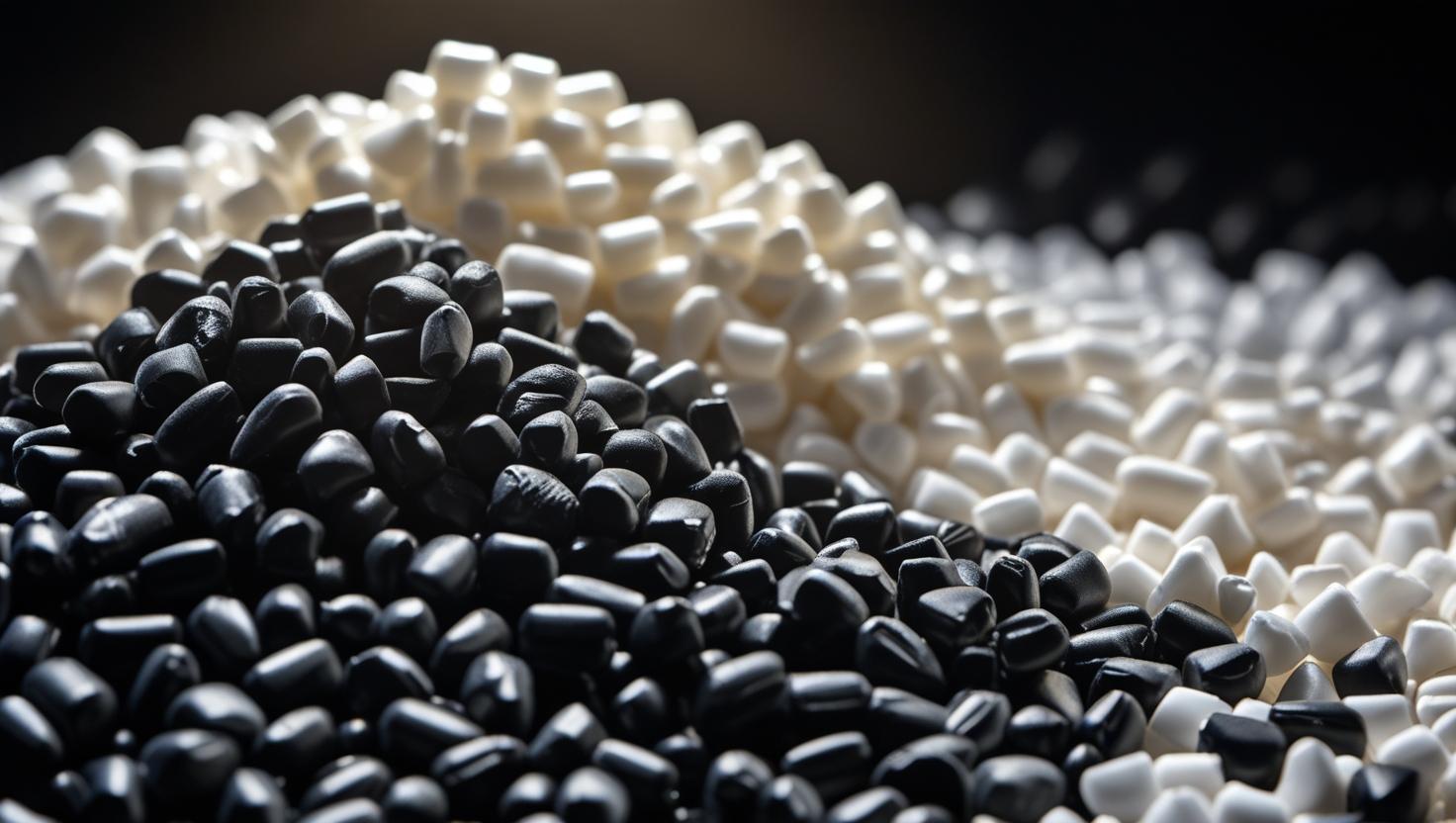
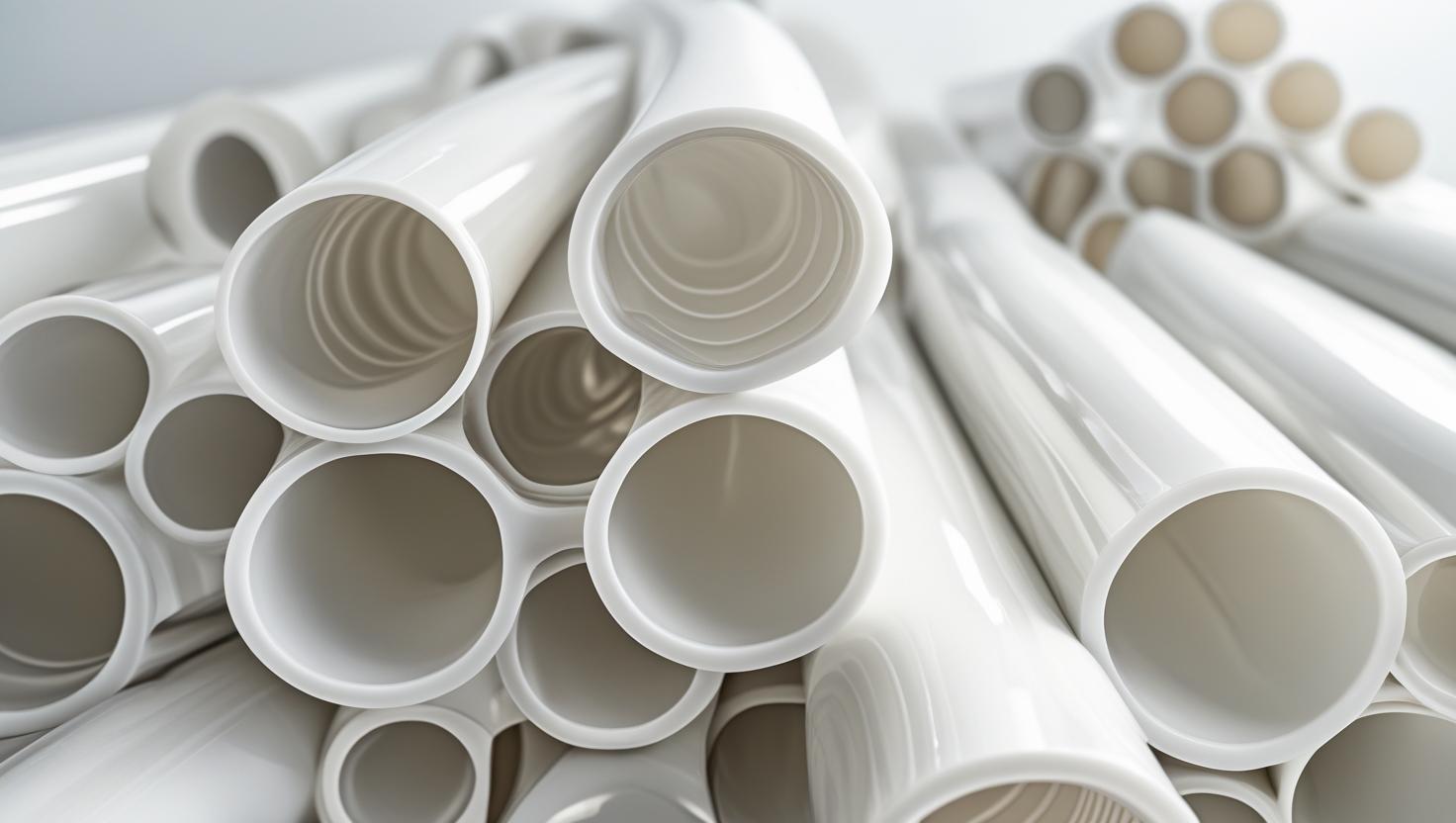
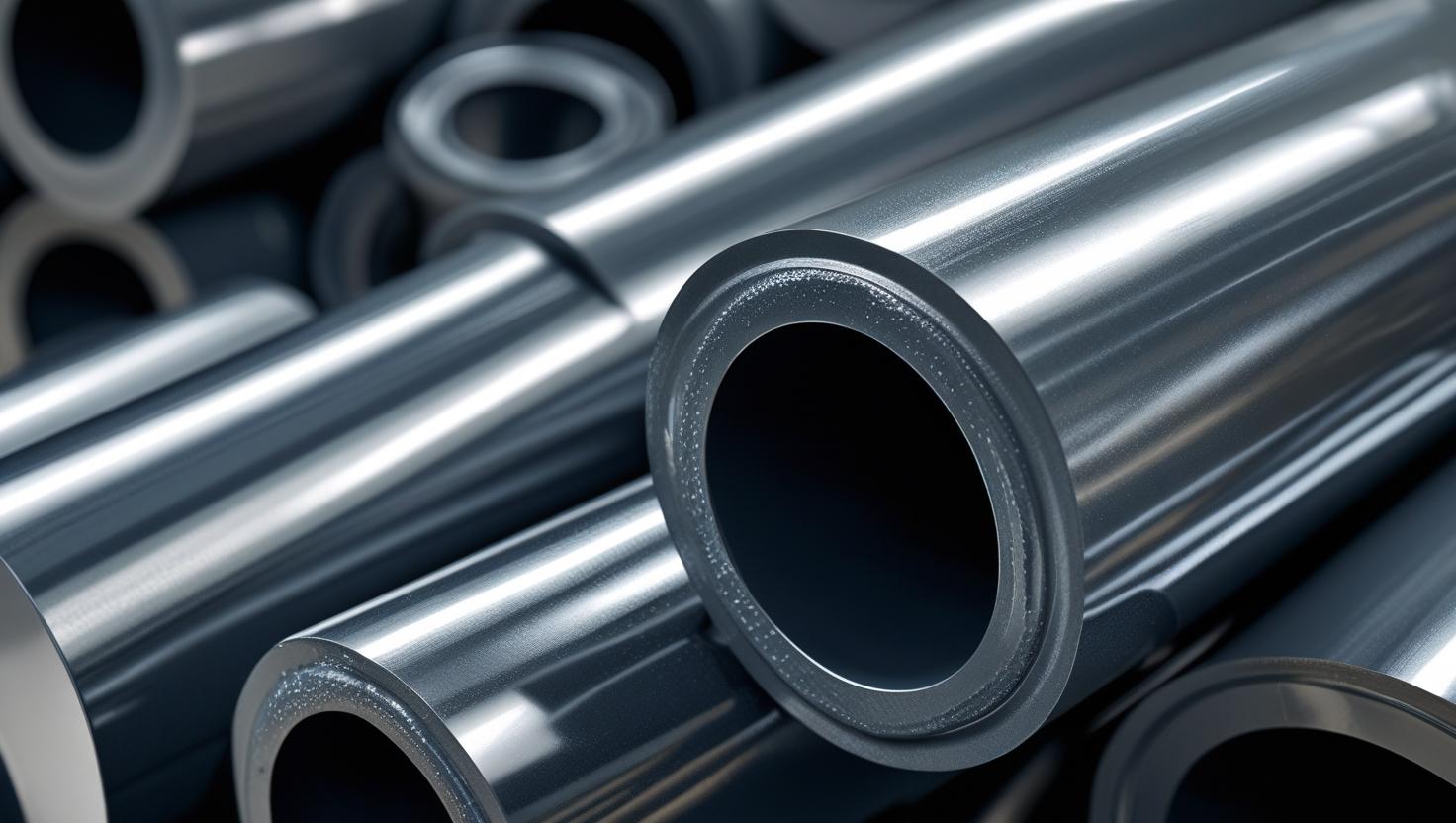
Black and white polyethylene masterbatches are highly functional polymer compounds designed for coloring, enhancing optical and mechanical properties, and protecting final products against UV radiation. These masterbatches consist of a polymer carrier (typically HDPE or LLDPE), a specific percentage of black pigment (carbon black) or white pigment (titanium dioxide – TiO₂), and various process-enhancing additives.
They play a crucial role in a wide range of industries such as plastic film production, polyethylene piping, injection-molded parts, fibers, packaging, and agricultural products.
Composition and Structure of Masterbatch
| Component |
Description |
| Polymer Carrier |
LLDPE or HDPE – for compatibility with base material |
| Pigments |
Carbon black (for black) / Titanium dioxide (for white) |
| Additives |
Antioxidants, UV stabilizers, lubricants, dispersing agents, etc. |
Technical Specifications
| Property |
Black Masterbatch |
White Masterbatch |
| Pigment Type |
Carbon Black |
Titanium Dioxide (Rutile) |
| Pigment Content |
20% – 50% |
30% – 70% |
| Carrier Resin |
PE, LLDPE, HDPE |
PE, LDPE |
| UV Resistance |
Very High |
Depends on TiO₂ quality and additives |
| Dispersion Quality |
Excellent |
Excellent |
| Polymer Compatibility |
High |
High |
Applications
Black Masterbatch:
- Production of PE pipes (water and gas distribution)
- Agricultural films with high UV protection
- Cable sheathing and insulation
- Injection and blow molded plastic parts
- Industrial plastic goods (buckets, crates, chairs, etc.)
White Masterbatch:
- Food and industrial packaging films
- Medical and hygiene-related plastic products
- Injection-molded items with bright white finish
- Coating films, labels, and wrappers
- Synthetic fibers and nonwoven fabrics
Technical and Commercial Advantages
- Uniform and high-coverage coloring at low dosage
- Excellent dispersion in polyethylene and polypropylene resins
- Enhanced UV stability (especially in black grades)
- Customizable based on processing method and end-use
- Compatible with extrusion, injection molding, blow molding, and film blowing
Key Considerations in Masterbatch Selection
- Required pigment concentration based on product thickness and final color
- Carrier resin compatibility with base polymer
- UV protection level and additive needs based on environmental conditions
- Processing temperature and Melt Flow Index (MFI) requirements
Black and white polyethylene masterbatches are essential additives in the plastics and packaging industries. They contribute significantly to product quality, aesthetics, UV durability, and service life. Choosing the right masterbatch grade and maintaining precise control over the production process can lead to reduced costs, improved efficiency, and superior product performance.