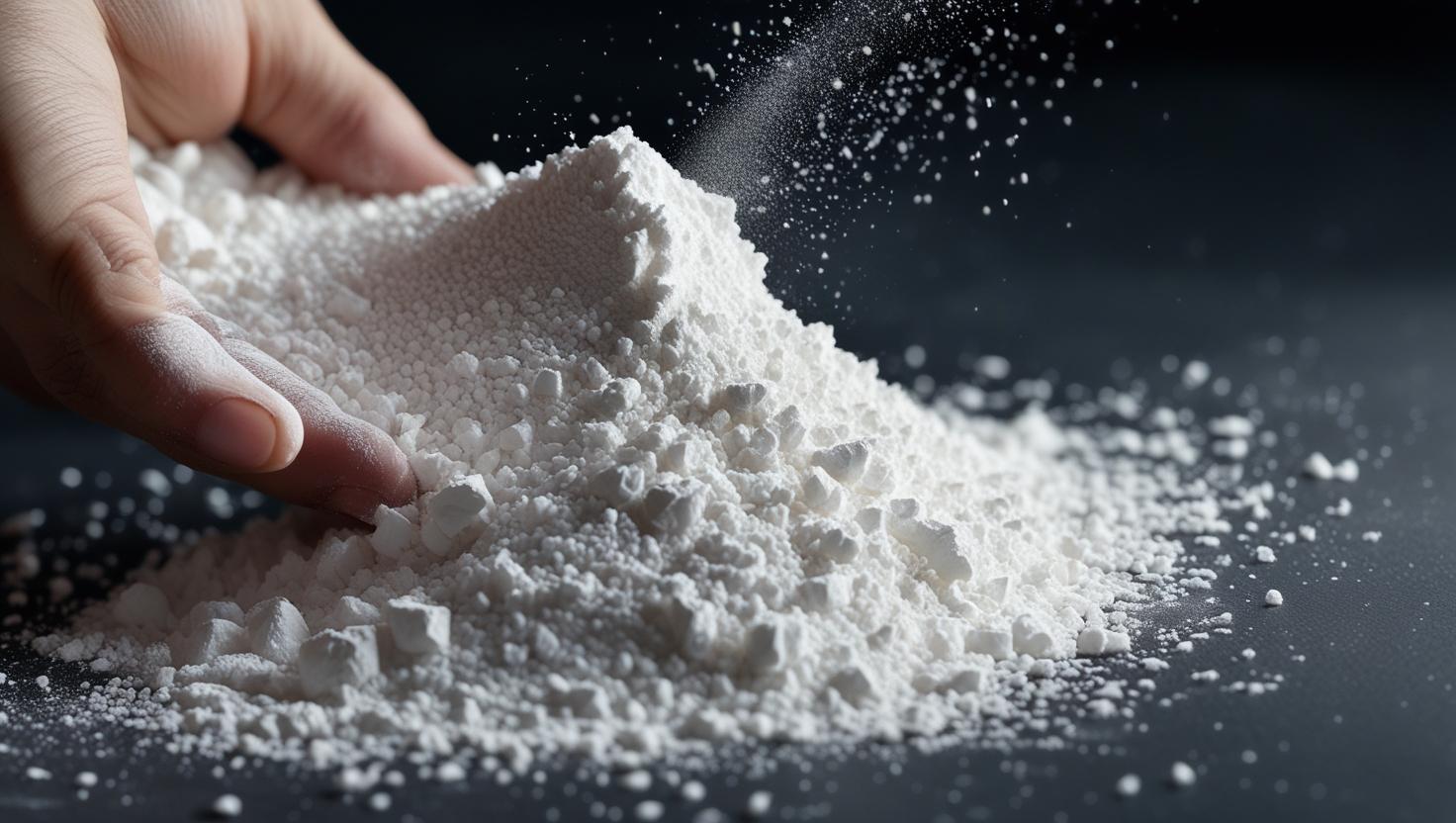
Silica Nanoparticles (SiO₂ Nanoparticles)
Nano silica particles (SiO₂) are among the most important and widely used non-metallic nanomaterials, with either amorphous or crystalline structures. Due to their unique physical, chemical, and mechanical properties, they have extensive applications across various industries. These nanoparticles, typically ranging in size from 5 to 50 nanometers, feature a high specific surface area and surface modifiability, playing a key role in enhancing material properties and boosting the efficiency of industrial products.
Scientific and Technical Features of SiO₂ Nanoparticles
| Description |
Feature |
| Amorphous or crystalline (e.g., quartz, cristobalite) with high thermal and chemical stability |
Structure |
| Increased surface area to enhance physical and chemical reactions |
High specific surface area |
| Uniform dispersion in various matrices to improve mechanical properties |
Good dispersibility |
| Suitable for electronic and optical applications |
High insulation and transparency |
| Resistant to weak acids and bases, with surface modification potential for specialized uses |
High chemical compatibility |
Industrial and Technological Applications
- Composites and Polymer Industries
Added to resins and polymers to enhance mechanical strength, hardness, durability, and thermal performance.
- Construction Industry
Improves concrete and mortar strength by enhancing adhesion and reducing permeability, leading to more durable structures.
- Electronics and Nanotechnology
Used in manufacturing electrical insulators, transparent nanocomposites, and optical components.
- Paints and Coatings Industry
Increases paint durability, scratch resistance, and enhances UV and corrosion protection properties.
- Medical and Pharmaceutical Applications
Applied in drug delivery systems, encapsulation of active ingredients, and controlled-release pharmaceutical products.
Commercial and Industrial Advantages
- Scalable production with cost-effective methods such as sol-gel, hydrolysis, and precipitation
- Surface modifiability and compatibility with other materials for specific and multifunctional applications
- Significant improvement of mechanical and thermal properties in composite materials
- High chemical stability and resistance to corrosive environments
- Growing global market due to the wide range of applications in different industries
Commercially Available Forms
- Nano powder with controlled particle size (5 to 50 nm)
- Stable suspensions for industrial and medical applications
- Nanocomposites and specialized coatings containing nano silica
- Custom products with varied physical and chemical properties