
Injection, Rotational, and Blow Molding Polymer Compounds
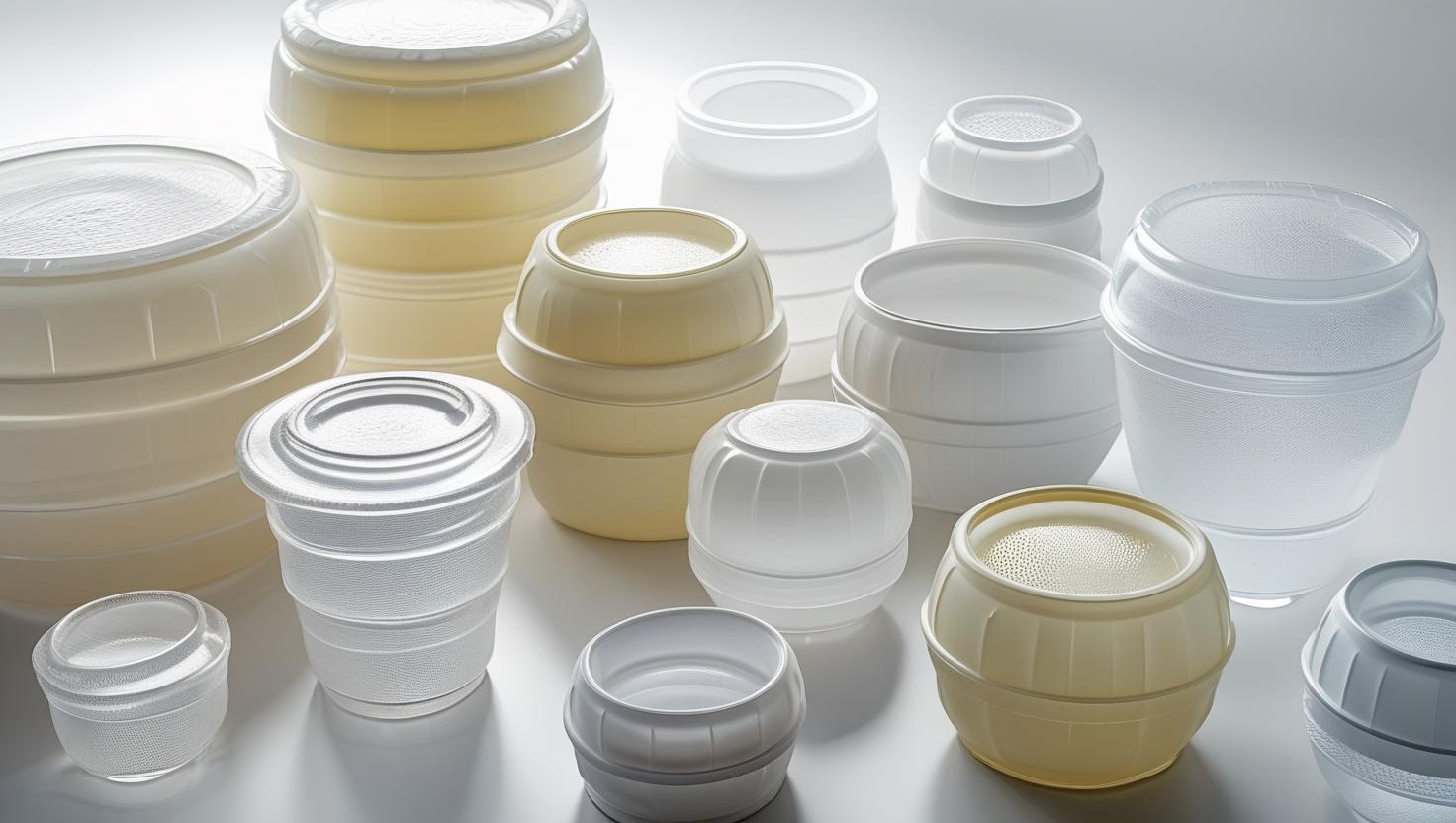
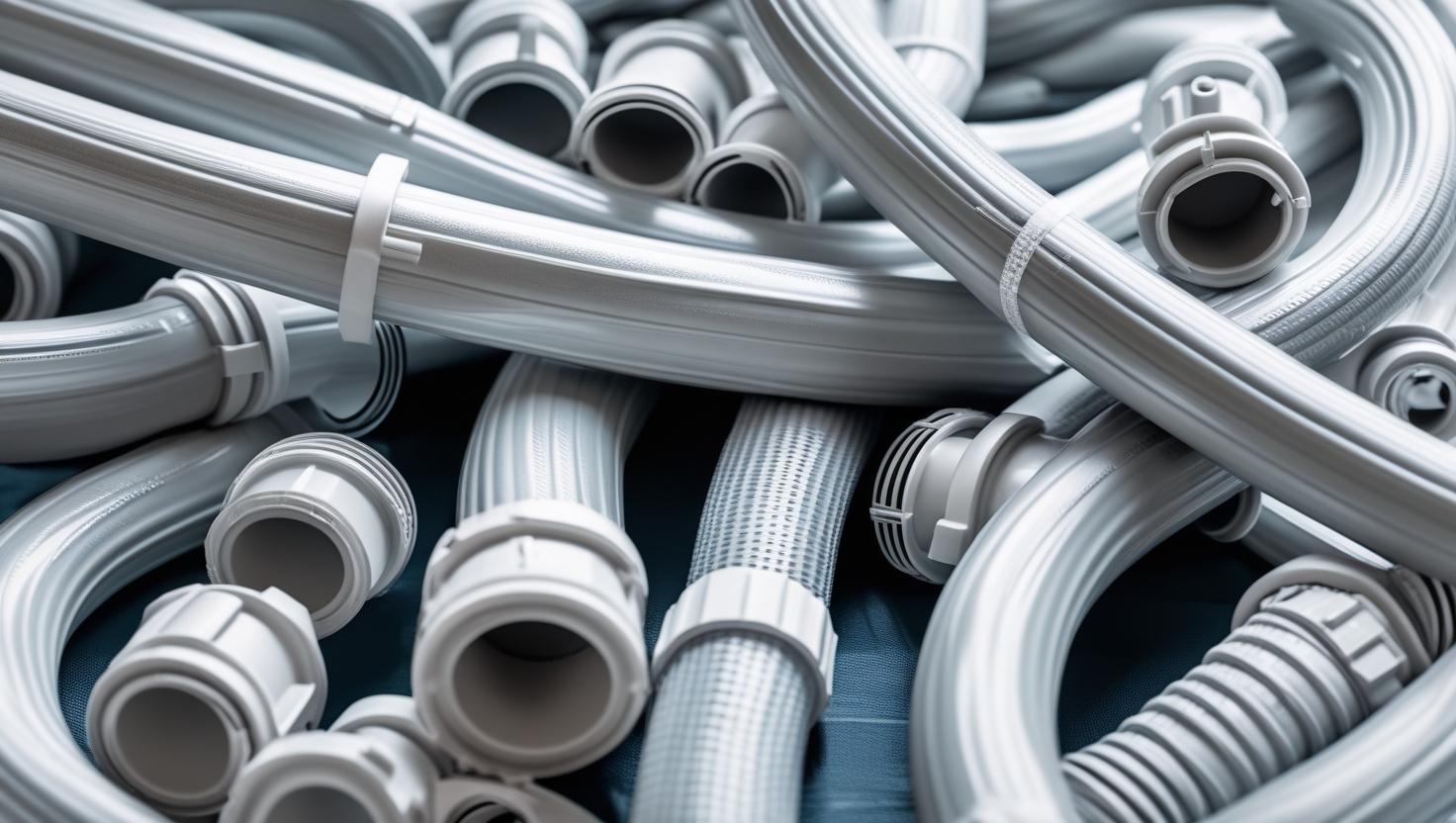
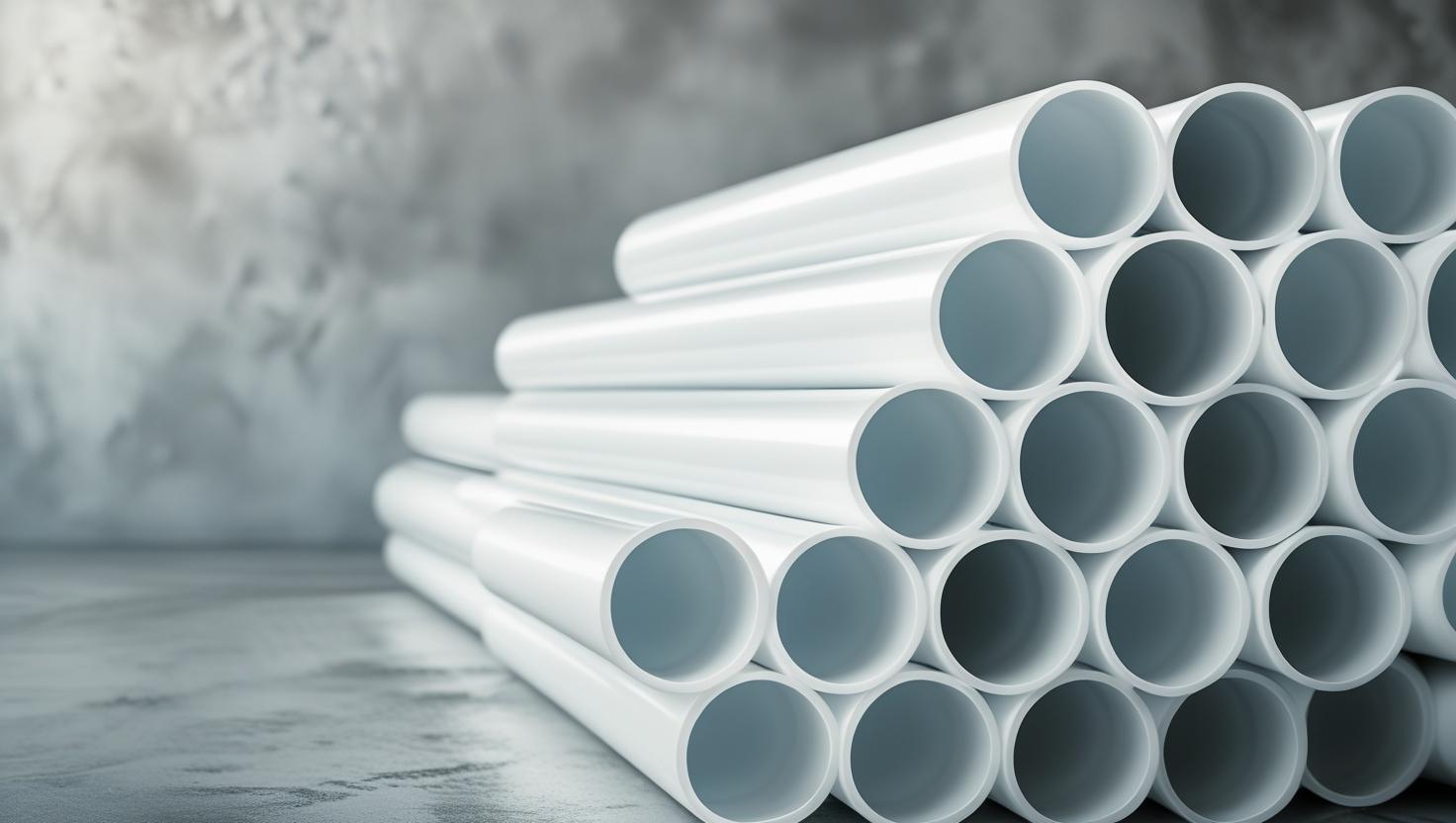
Rotational Molding Compounds, Blow Molding Compounds, and Injection Molding Compounds are widely used polymeric materials in the plastics industry, applied in different molding processes for manufacturing a variety of parts. These compounds are typically based on polyethylene (PE), polypropylene (PP), and other thermoplastics, and are formulated with specific additives and properties according to the technical and application requirements of each process.
Rotational Molding Compounds (Rotary Molding)
Rotational molding is a process in which polymer powders or granules are placed into a mold, which is then heated and rotated so that the material melts uniformly and coats the inner surface of the mold. Compounds designed for this process must exhibit the following characteristics:
Common Applications
Blow Molding Compounds
Blow molding is a common process for producing plastic films, bags, and hollow parts by inflating air into a molten polymer tube to form the desired product. Blow molding compounds are required to have:
Common Applications
Injection Molding Compounds
Injection molding compounds are engineered blends based on polyethylene (PE) or polypropylene (PP) combined with performance-enhancing additives to improve mechanical, thermal, and processing properties. These compounds are specifically designed for the injection molding process, enabling the production of parts with high quality, dimensional accuracy, smooth surface finish, and excellent performance under various service conditions.
The use of injection molding compounds not only improves productivity and reduces waste but also enhances the overall performance of final parts in industries such as automotive, household appliances, electrical, packaging, and industrial equipment.
Common Applications
Comparison Table of Injection, Rotational, and Blow Molding Compounds
| Property / Compound Type | Injection Molding | Rotational Molding | Blow Molding |
| Process Method | Molten polymer injected into mold under high pressure | Mold rotation with polymer powder or granules at elevated temperature | Air blown into molten polymer to form product |
| Dimensional Accuracy | Very High | Moderate | Moderate to Good |
| Surface Quality | Smooth, uniform, ideal for appearance parts | Semi-uniform surface, variable thickness | Fair surface, relatively uniform |
| Mechanical Strength | High (adjustable with additives) | Suitable for thick-walled hollow parts | Good, especially in thin-walled products |
| Wall Thickness Range | Thin to medium (0.5 – 5 mm) | Thick (3 – 20 mm) | Thin to medium (1 – 6 mm) |
| Part Weight | Usually light to medium | Relatively heavy | Light |
| Production Speed | High | Lower | High |
| Applications | Precision and aesthetic parts (automotive, appliances, electronics) | Tanks, containers, large hollow products | Bottles, containers, mass-produced hollow parts |
Advantages of Using These Compounds
The proper selection and utilization of injection, rotational, and blow molding compounds play a vital role in improving product quality, performance, and cost-effectiveness. Depending on project requirements and end-use applications, these compounds can be customized to achieve optimal performance, leading to higher customer satisfaction and success in competitive markets.