Carbonate-Filled Polyethylene Compounds
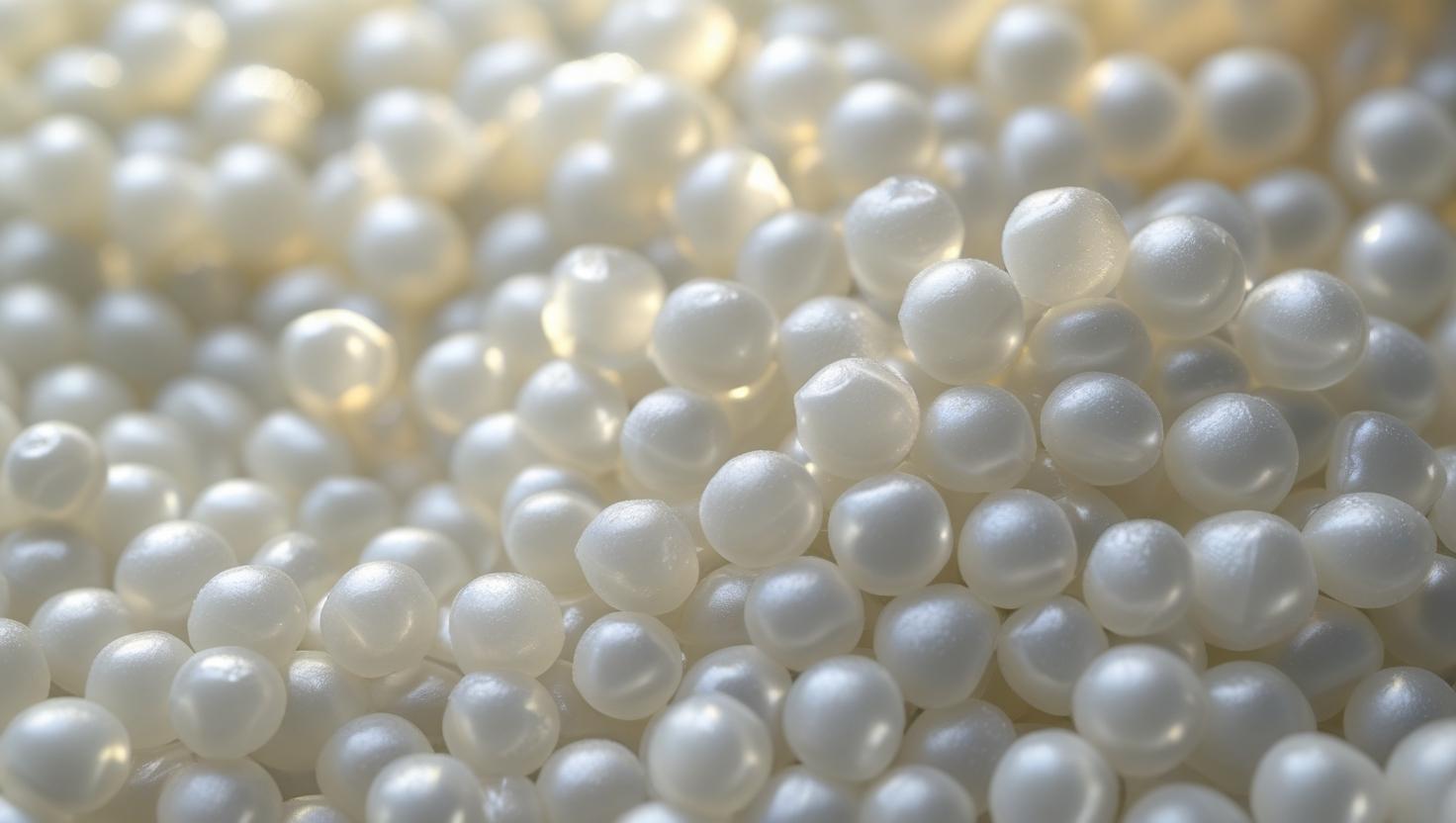
Carbonate-filled polyethylene compounds, produced by incorporating mineral fillers such as calcium carbonate (CaCO₃) into the polyethylene matrix, offer enhanced mechanical and thermal properties. These compounds are widely used in industries such as pipe manufacturing, film production, molding, and packaging due to their increased rigidity, dimensional stability, and reduced production costs.
Technical and Scientific Features of Carbonate-Filled PE Compounds
- Improved Stiffness and Strength: The addition of calcium carbonate increases tensile modulus and surface hardness without significantly compromising flexibility.
- Enhanced Thermal Stability: Greater resistance to high temperatures and reduced deformation under thermal load.
- Lower Moisture Absorption: Calcium carbonate helps reduce moisture permeability and enhances dimensional stability.
- Cost Reduction: By partially replacing polyethylene with mineral fillers, raw material costs are reduced without sacrificing performance.
- Excellent Processability: These compounds are fully compatible with standard extrusion and molding processes, enabling the production of high-quality end products.
- Compatibility with Additives: Can be combined with UV stabilizers, thermal antioxidants, and colorants for specialized applications.
Industrial and Commercial Applications
- Irrigation and wastewater pipe production
- Household, Automotive and industrial component manufacturing
- Durable and strong packaging films
- Precision-molded plastic parts
- Shop and construction industries
Comparison Table: Carbonate-Filled Polyethylene vs. Pure PE and Other Filled PE Compounds
| Properties |
PE + Calcium Carbonate (CaCO₃) |
Pure Polyethylene |
PE Compounds with Other Fillers |
| Stiffness & Tensile Modulus |
Significantly Increased |
Moderate |
Varies depending on filler type |
| Flexibility |
Maintained or Slightly Reduced |
High |
Depends on filler type and percentage |
| Thermal Stability |
Enhanced |
Moderate |
Variable |
| Production Cost |
Reduced |
Higher |
Variable |
| Abrasion Resistance |
Improved |
Moderate |
Variable |
| Processability |
Excellent |
Excellent |
Depends on filler type |
| Specific Gravity |
Increased |
Lower |
Variable |
Carbonate-filled polyethylene compounds offer an ideal balance between technical performance and economic efficiency, making them a preferred choice for producing durable and cost-effective plastic products. These materials are especially valuable in applications that demand high rigidity and dimensional stability.