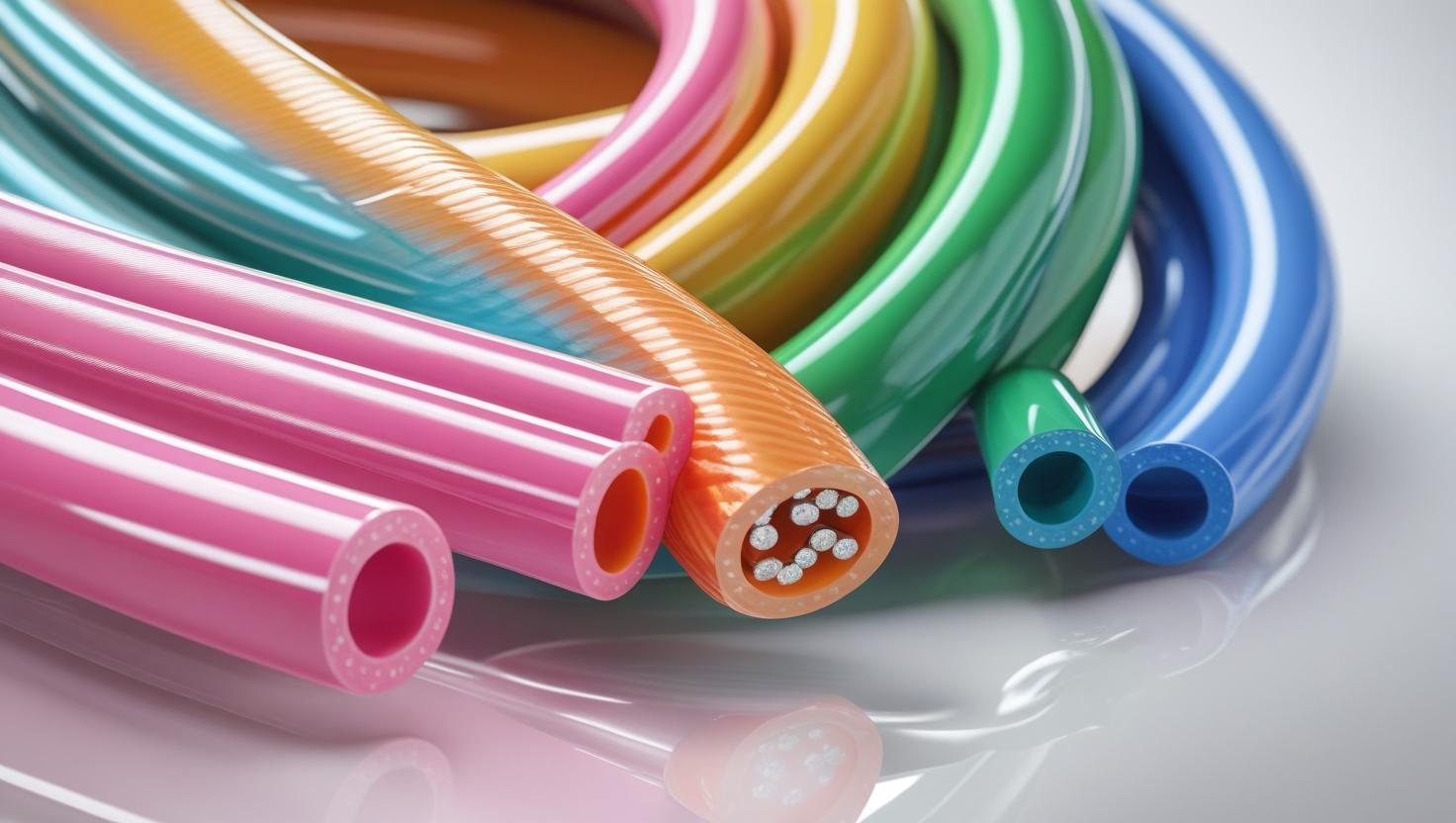
Polyethylene sheathing is one of the most common and durable types of insulation and protective jackets used in the cable manufacturing industry. This type of sheathing is specifically designed for telephone, data, telecommunication, and network cables to ensure mechanical, environmental, and electrical protection under various conditions.
Polyethylene, with its excellent mechanical properties, resistance to moisture, chemicals, and ultraviolet (UV) radiation, is an ideal material for outer protective layers of communication cables.
Technical Specifications of Polyethylene Sheathing
| Property |
Description |
| Material Type |
Low-Density Polyethylene (LDPE), High-Density Polyethylene (HDPE), or Linear Low-Density Polyethylene (LLDPE) |
| Color |
Black (UV resistant), gray, or custom colors |
| Sheath Thickness |
Depending on cable type and standards (typically 0.5 to 2.5 mm) |
| Density |
0.91 to 0.96 g/cm³ |
| Temperature Range |
-40°C to +80°C |
| Melt Flow Index (MFI) |
0.3 to 2 g/10min (at 190°C) |
| UV Resistance |
High (with carbon black masterbatch or UV stabilizers) |
| Chemical Resistance |
Excellent against moisture, acids, alkalis, and salts |
Main Applications
- Urban and long-distance telephone cables
- Data cables, LAN, and computer network cables
- Telecommunication and fiber optic cables
- Buried cables in moist or corrosive environments
- Outdoor cables requiring UV and abrasion resistance
Technical and Industrial Advantages
- High mechanical resistance: resistant to abrasion, tearing, crushing, and impact
- Excellent resistance to environmental factors: moisture, soil, sunlight, and temperature fluctuations
- High-speed extrusion compatibility: suitable for cable coating lines
- Proper electrical insulation: suitable for low to medium voltage applications
- Long service life in outdoor and underground environments
- Recyclable and cost-effective compared to PVC in some applications
Commercial Benefits
- Lower production costs compared to PVC or XLPE materials
- Increased cable durability and reduced failure rates in outdoor projects
- Compatibility with conventional manufacturing processes and fast molding
- Customizable production according to customer needs, projects, and climate conditions
Polyethylene sheathing for telephone and network cables, due to its excellent mechanical and chemical properties, is a smart choice for producing cables with high durability, environmental stability, and optimal performance quality. Proper design and implementation of these sheaths play a crucial role in reducing maintenance costs and enhancing the reliability of communication networks.